The red wines
Everything a red wine is — the color, the grip, the seriousness — comes off the grape skins. Temecula’s sunshine does the rest.
Squeeze nearly any wine grape and the juice runs clear; the color lives in the skins. A red wine is simply one that fermented in their company, and the skins hand over more than pigment. They give up tannin — the drying, tea-steeped-too-long grip you feel on your gums — and tannin is the spine of every serious red. How ripe it got before harvest decides whether it reads as velvet or as sandpaper.
Which is where the valley gets lucky. Long warm days ripen tannin all the way to soft, and the marine air sliding through the Rainbow Gap each evening keeps the fruit from collapsing into jam. The result is the Temecula house style: reds that are generous and early-drinking, ready the afternoon you meet them, no decade of cellar homework required.
Flights here pour whites toward reds, so these wines are the second act of your tasting. Below, the cast — in roughly the order the lists run it.
The Rhônes
Hot days, granite soils, a nightly ocean breeze — the southern Rhône recipe, transplanted. These are the reds the valley does best.
Syrah
Syrah is arguably the valley’s signature red, and the argument is easy to follow: blackberry and black pepper, a violet perfume, something faintly of smoke and cured meat underneath. In cold country the grape turns lean and severe; in Temecula’s warmth it goes plush and dark-satin instead — all of the brooding, none of the sulk.
Where to taste it: Ponte grows an estate Syrah that ranks among the valley’s best, and out on the back roads Doffo pours small-lot reds with an intensity that explains why its bottles sell out and stay sold out — buy on the day if one lands.
The GSM blends
The initials stand for Grenache, Syrah, Mourvèdre — the southern Rhône’s house blend, and by now half the valley’s too. Each grape takes one job: Grenache the bright, sun-warmed strawberry fruit, Syrah the dark middle, Mourvèdre the savory, structured finish — plus a soft drift of Cinsault in the margins. Poured together they taste like red fruit over something meaty and wild — friendlier than Cabernet, and more serious than they let on.
Miramonte has made Rhône varieties and a hillside terrace its whole argument, and usefully keeps pouring after most rooms wind down. If blends as a species are your lane, Wiens Family Cellars has built its house on big, dark, unapologetic ones — you will know within one pour whether it is your kind of place.
Spain & Italy
Mediterranean grapes that like the same weather the visitors do — and the most rewarded corner of the valley’s cellar.
Tempranillo
Tempranillo may be the single most rewarded grape in the valley, and it makes sense on paper before it makes sense in the glass: Rioja’s great red was built for exactly this arrangement of hot days and cool nights. Expect black cherry and dried fig roughed up with leather and dust, and a natural affinity for oak — it wears barrel age the way some people wear a good jacket.
Ponte’s estate version and several from the quiet De Portola Trail are the proof. Spanish plantings are otherwise still thin on the ground here, which is what makes the Garnacha — Grenache, traveling under its Spanish passport — at Masia de la Vinya worth the deliberate detour.
Sangiovese, Montepulciano & Barbera
Sangiovese is Chianti’s grape and the most food-hungry red on any Temecula bar: sour cherry, tea leaf, and a bright snap of acidity that all but demands something to eat. Its Italian benchmates thrive here too — Montepulciano darker and more easygoing, plummy where Sangiovese is tart, and Barbera nearly tannin-free, all juice and violets, its acidity doing the structural work.
Three houses built their identity on the Italian bench. Cougar planted its vineyard for the Italian grapes and then declined to hedge — the list is all-Italian, grown on site. Robert Renzoni brings four generations to the southern trail’s defining view, and Mount Palomar has been at it since 1969, pouring Italian varieties off some of the valley’s oldest plantings.
The classics
Cabernet, Merlot and Zinfandel never left — the warm vintages just made them friendlier.
Cabernet Sauvignon & Merlot
The Bordeaux pair never left Temecula; the valley simply stopped leading with it. Cabernet Sauvignon brings cassis, cedar and structure; Merlot brings plum, cocoa and forgiveness; and the warm vintages here sand both into wines that are generous young — less cathedral, more fireplace.
Baily has quietly made Bordeaux-leaning estate bottlings its life’s work — it is the name that comes up when you ask people who live here where they actually drink. Frangipani pours its estate reds in genuine quiet on the southern trail, and at Monte De Oro you can drink the finished article standing on a glass floor above the working barrel room where it did its time.
Zinfandel
Zinfandel is the grape California made its own — the same variety Italy bottles as Primitivo — and it loves heat the way tourists do. Expect brambly blackberry jam, black pepper, and ripeness worn entirely without embarrassment; on lists around the valley it plays the loud, likable uncle to the composed company above. One caution: the pale, sweet “White” Zinfandel of the 1980s is a different animal wearing the same badge — that story lives on the rosé page.
Drinking it well
Nothing here requires vocabulary — just four small habits that make every red pour better.
Reds ask a little more of you than whites do. Not knowledge — courtesies. Here is the entire toolkit; the full five-step ritual lives in the tasting guide.
| Temperature | Cellar-cool, about 60–65°F. “Room temperature” was coined in unheated stone farmhouses — on a 90-degree patio, a few minutes of chill is a favor, not a crime |
|---|---|
| The swirl | A few lazy circles on the table wake the aromatics up; air opens a young red the way ten minutes opens a conversation |
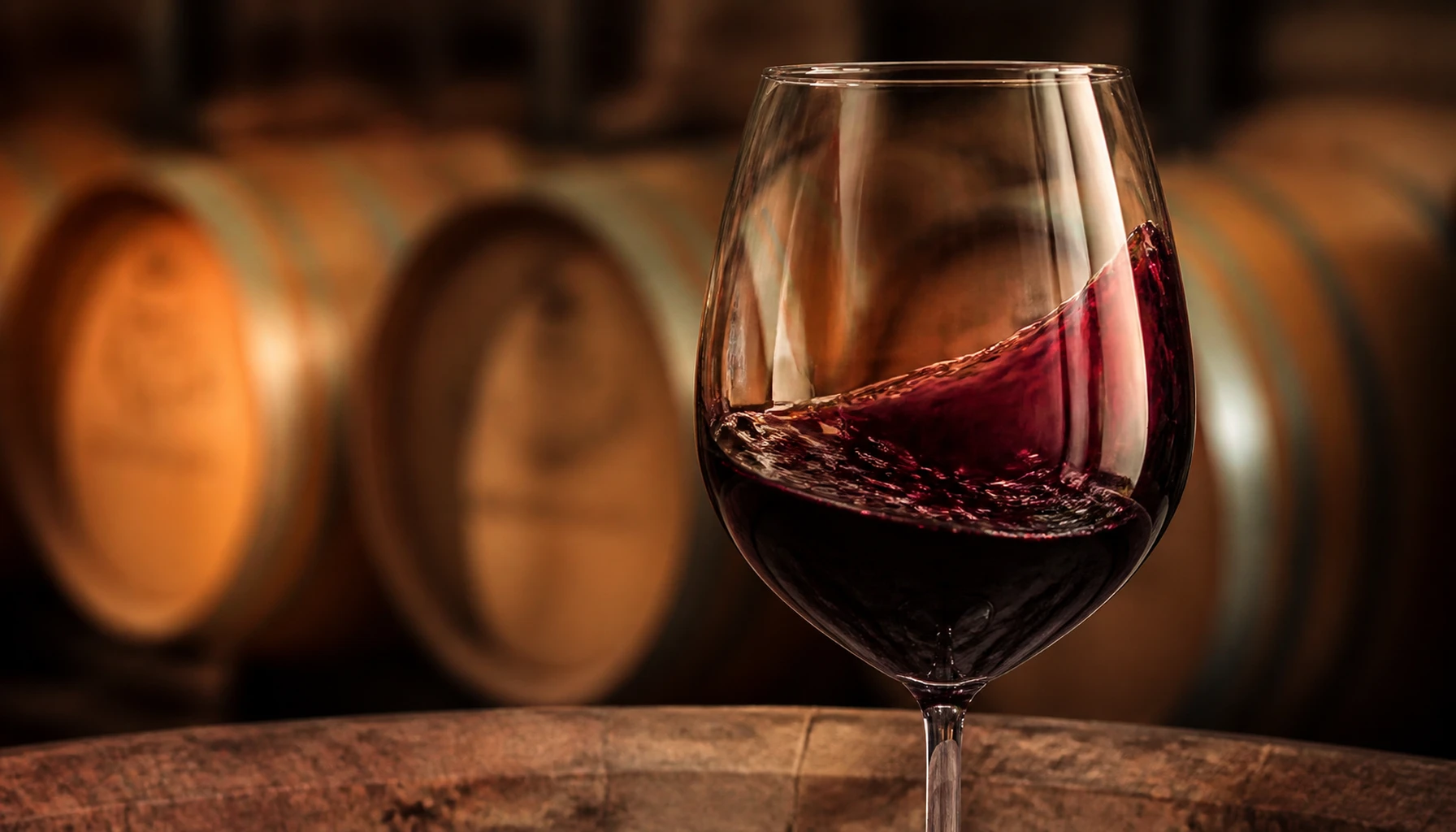
| The legs | The slow streaks running down the glass measure alcohol and body, not quality — admire them, then move on |
| Tannin & food | Tannin binds to protein and fat, which is why a grippy red turns silky beside steak or aged cheese — and picks a fight with anything spicy |
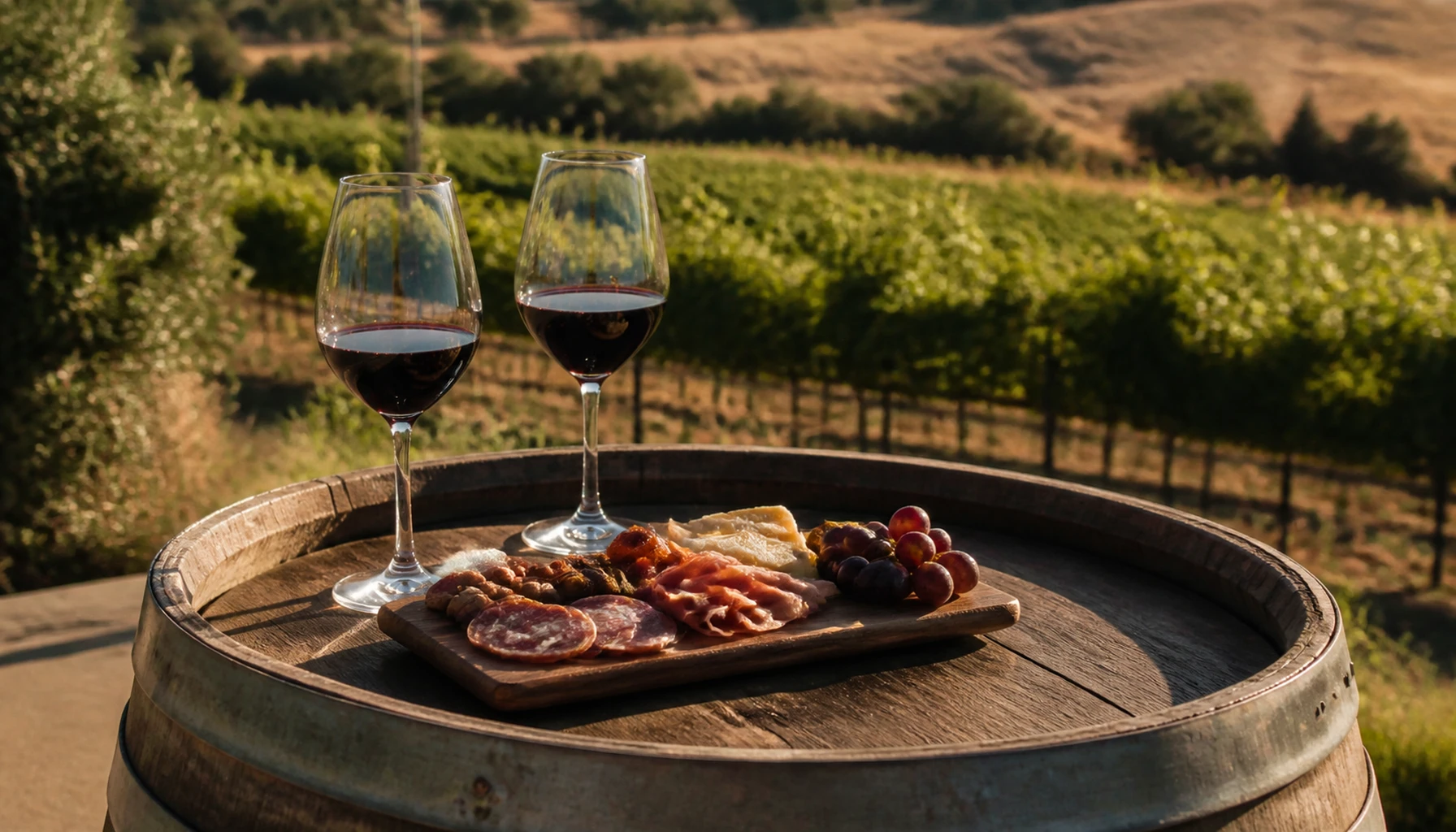
That last line is why the charcuterie board on the winery patio is not an upsell. It is applied science, and it is working.
Featured videos
The valley’s dark side — Rhône reds, Spanish and Italian transplants, and the Cabernet that started the argument.