Tempranillo
Spain’s great red ripens early, wears oak like tailoring, and may be the single most rewarded grape in the valley.
Tempranillo is the grape Spain built its reputation on — the spine of Rioja, the whole of Ribera del Duero — and its name is a job description: temprano means early, and these thick-skinned, blue-black berries come ripe weeks ahead of nearly everything else in the row. In the glass that early start reads as composure. Nothing about good Tempranillo shouts.
The center is black cherry and dried fig; the second act is what makes it Spanish — leather, tobacco, a little sun-baked dust, a savory maturity the grape seems to carry even in youth. Acidity sits in the friendly middle, tannin is firm but civilized, and no major red takes to a barrel more naturally: vanilla and sweet baking spice slide into the wine as if they had been in its coat pockets all along.
Rioja’s high country runs hot days into genuinely cool nights, and the grape was shaped by that swing — which happens to be Temecula’s daily schedule: sun on decomposed granite all afternoon, marine air through the Rainbow Gap after dark. The grape has repaid the hospitality; by the valley’s own scorekeeping it may be the single most rewarded grape here, and ripening early is its quiet local insurance — the fruit is safely in the cellar before the tail end of summer can bully it.
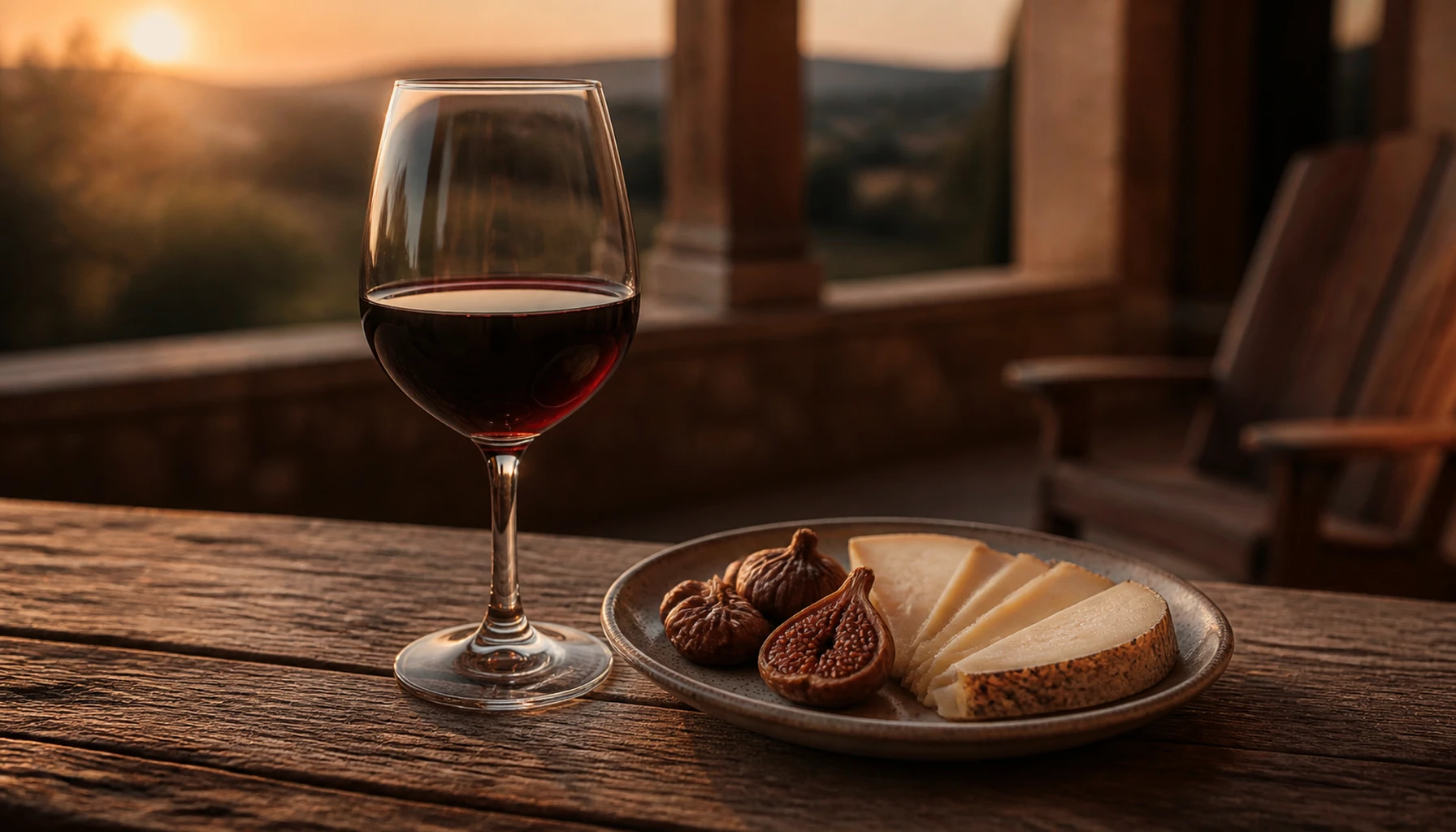
How to drink it
From bright and young to barrel-burnished — one grape, a whole ladder of styles.
Tempranillo’s range runs on one dial: time in oak. At one end sits a bright, cherry-fresh young wine; at the other, something burnished — leather, vanilla and cigar box, the fruit gone quiet and confident. Spain built a whole vocabulary for the dial, and while Temecula labels rarely borrow the words, the ladder is still the clearest map of what barrel time does to this grape. When your pourer says “eighteen months in oak,” this is the scale they are pointing at.
| Joven | “Young” — little or no barrel; all bright cherry and plum, made for the year it is poured |
|---|---|
| Crianza | Aged around two years, part of it in oak — the fruit picks up its first coat of vanilla and spice |
| Reserva | Three years or so between barrel and bottle — leather and dried fruit arrive; fruit and oak in even conversation |
| Gran Reserva | Five years and real patience — the burnished library register, made only in the years that deserve it |
Serve it cellar-cool like every red in the valley, 60–65°F. At the table it is the most agreeable serious red on the list: lamb is the classic marriage, Manchego the shortcut, and anything that came off a grill the local translation.
Where to taste it in the valley
The proof pours at Ponte and along the quiet southern trail.
Ponte’s estate Tempranillo is the standing proof — an estate big enough to run gardens and a full restaurant that still bottles wines the trade pays attention to. Expect company at peak times; the property absorbs it better than most.
The other proofs pour along the De Portola Trail, the valley’s quiet southern road, where several estates have made the grape a point of pride. The trail rewards slow hunting: Frangipani pours its estate reds in genuine quiet with the family usually behind the bar, and Danza del Sol keeps mature vines and shade worth sitting in — ask what is open the day you pass.
For the rest of the Spanish bench, make the deliberate turn up to Masia de la Vinya, where Garnacha and Albariño pour on a hilltop off a road that is already the quiet one. Spanish plantings are still thin on the ground in the valley, which is precisely what makes the detour worth it. The full map of doors lives in the winery guide.
Featured videos
Rioja cellars and California converts on Spain’s great red — press play, pour something dark, settle in.
A grape remade by refugees
Tempranillo is ancient Iberian stock, but Rioja as the world knows it was part-built by Frenchmen fleeing a plague in their own vineyards — merchants and phylloxera refugees who crossed the Pyrenees with empty barrels and Bordeaux habits. That exchange, and the half-dozen Spanish aliases the grape travels under, are a story worth the telling.