The tasting guide
A tasting is a seated (or standing, or strolling) flight of five or six small pours. Everything else is detail — here is the detail.
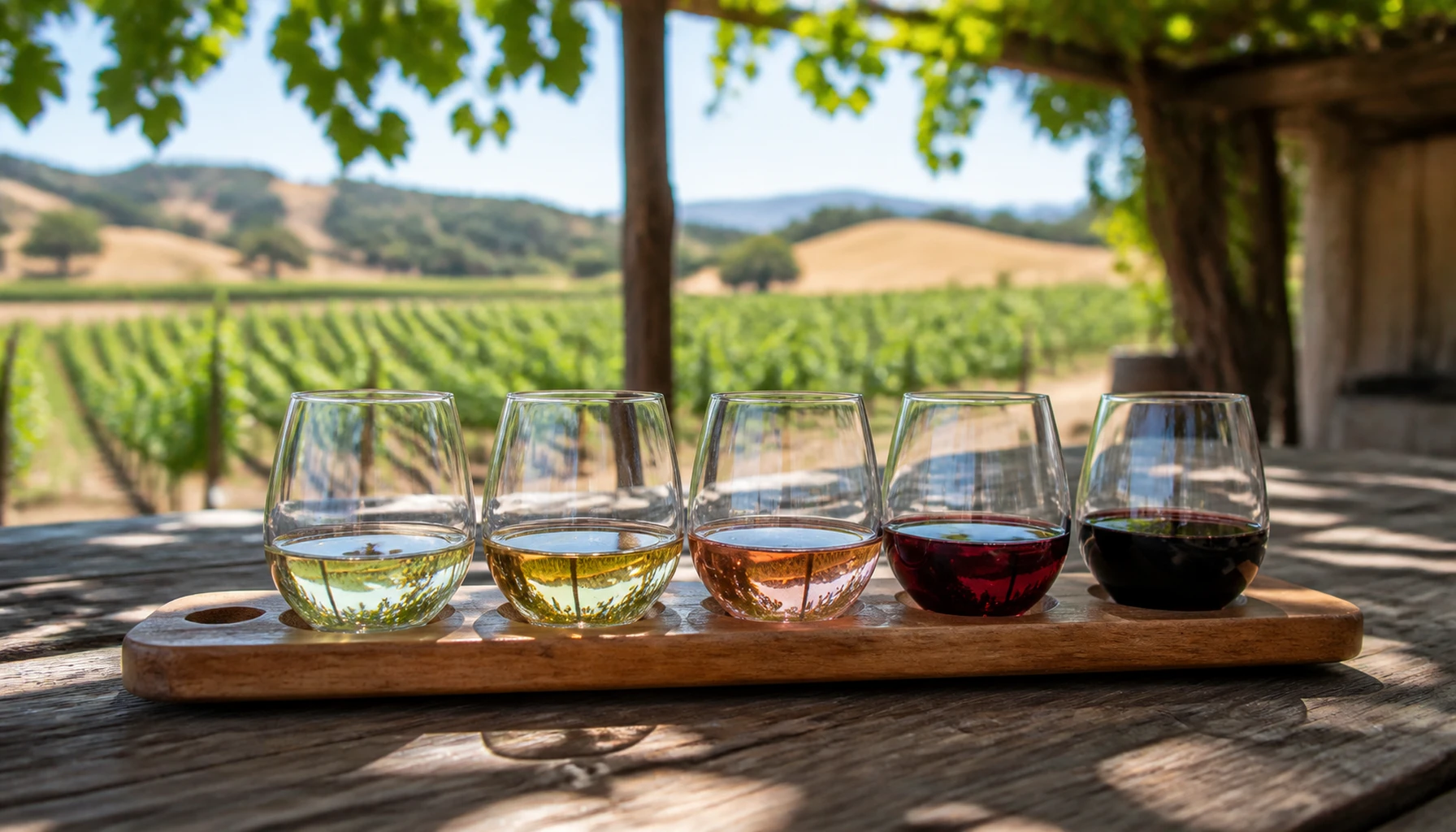
Walk into any tasting room in the valley and the ritual is the same: you choose a flight — usually five or six wines, whites toward reds, dry toward sweet — and someone pours them one at a time, telling you what you’re holding. It takes forty-five minutes to an hour if you let it breathe. Nobody expects you to know anything; the only mistake you can make is being on your fourth winery at four o’clock.
| Typical flight | 5–6 wines, roughly $25–$45 per person in 2026; premium and barrel flights run higher |
|---|---|
| Hours | Most rooms pour from 11 a.m. to about 5 p.m. daily; a few open at 10 on weekends |
| Reservations | Strongly recommended Fridays–Sundays; usually required for groups of six or more |
| Fee waivers | Many rooms waive part of the fee with bottle purchases or club sign-ups — ask before you pay |
| Weekdays | Quieter rooms, slower pours, and sometimes lower fees — the connoisseur’s move |
What Temecula pours
Hot days, cool nights, granite soils: the valley grows what the Mediterranean grows, and the tasting lists show it.
Rhône varieties — the backbone
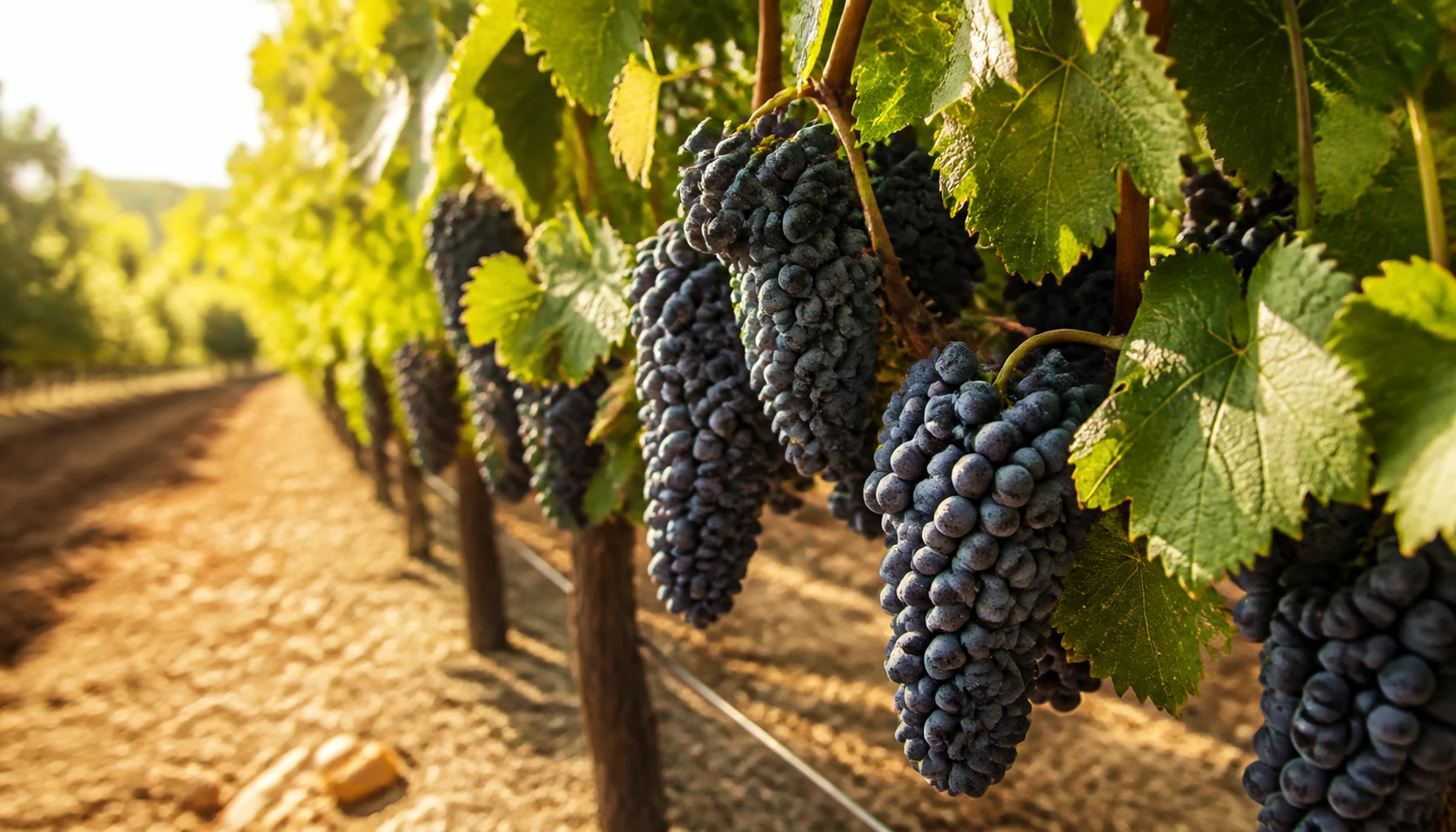
Syrah is arguably the valley’s signature red, joined by Grenache, Mourvèdre, and Cinsault in the GSM blends half the valley makes. The Rhône whites — Viognier above all, with Roussanne and Marsanne behind it — handle the heat gracefully and show up on nearly every list.
Italian & Spanish — the personality
Sangiovese, Montepulciano, Barbera, and Vermentino thrive here, and a handful of houses — Cougar, Robert Renzoni, Mount Palomar — have built their whole identity on them. Tempranillo may be the single most rewarded grape in the valley; Ponte’s and several De Portola estates’ versions are the proof.
Sparkling — the surprise
Three houses — Thornton, South Coast, and Carter Estate — make méthode-champenoise sparkling on site, and Wilson Creek’s almond sparkling is the valley’s most famous single bottle. Starting the day with bubbles is a legitimate local tradition.
The classics — still here
Cabernet Sauvignon, Merlot, Zinfandel, and Chardonnay never left; the warm vintages make them generous and early-drinking. Sweet and fortified wines — late-harvest, port-style — close most flights for a reason.
The five-step pour
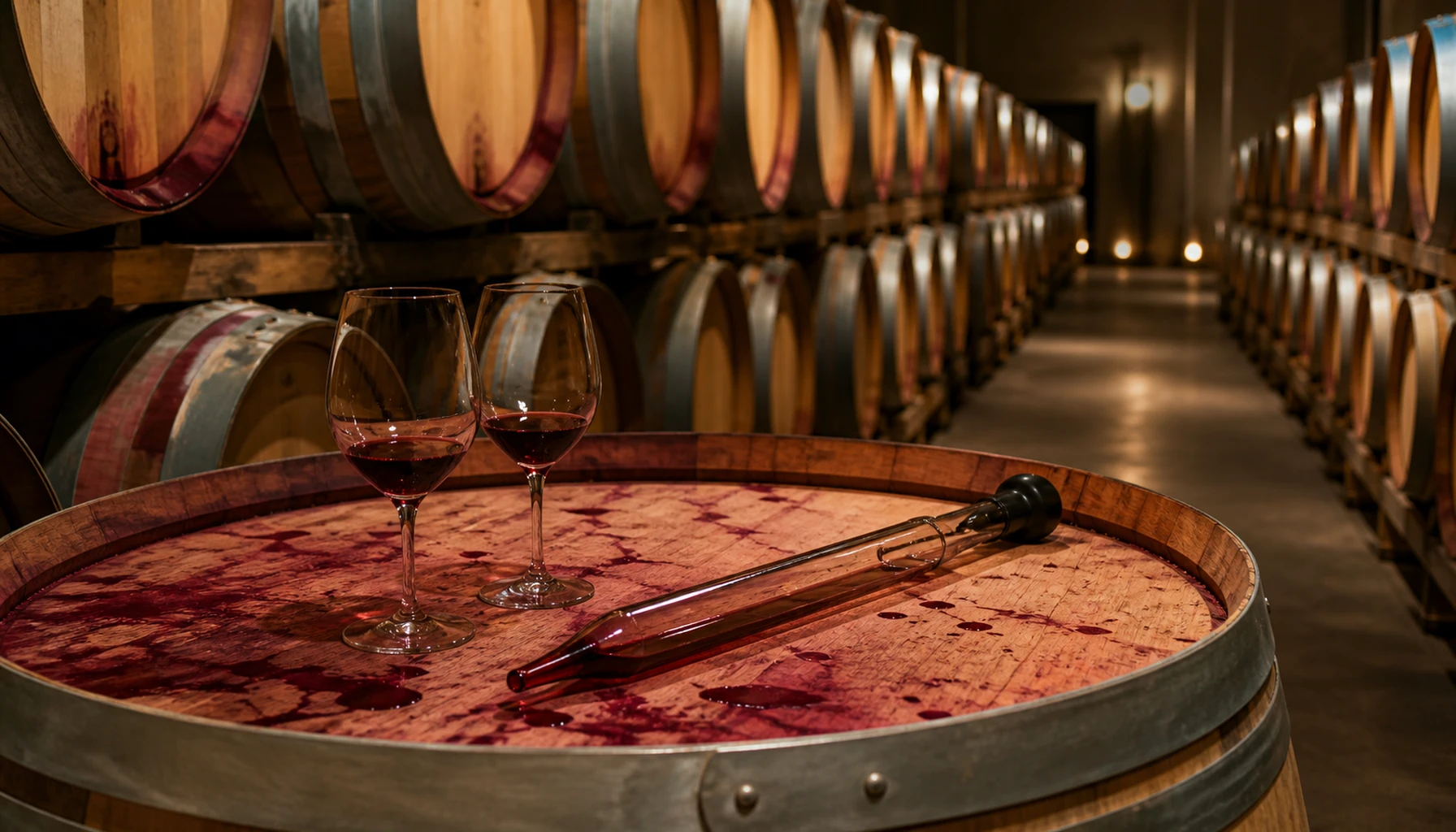
Every pour rewards the same small ritual. It takes fifteen seconds and doubles what you notice.
-
Look
Tilt the glass against something white. Color tells you age and weight before you smell a thing.
-
Swirl
A few lazy circles on the table. You’re waking the aromatics up, not performing — small swirls work fine.
-
Smell
Nose right into the bowl. Most of what people call taste happens here; name whatever you smell, even if it’s “grape.”
-
Sip
A real sip, held a moment, moved around. Notice where it lands — fruit up front, acid on the sides, tannin on the gums.
-
Decide
Keep it, dump it, or spit — the dump bucket is professional equipment, not an insult. Deciding what you actually like is the whole game.
Tasting-room etiquette
Skip the perfume. Scent is half of tasting, and a strong fragrance flattens the room for everyone at the bar.
Ask questions. Pourers would rather talk about the wine than recite the script — “what do you drink at home?” is the best question in the valley.
Buy what you loved, skip what you didn’t. There’s no obligation, but a bottle is the honest tip for a good hour — and many rooms fold the fee into it.
Mind the group rules. Parties of six or more should call ahead everywhere, and limos and party buses are only welcome at rooms that say so. Some patios welcome kids and dogs, some pointedly don’t — check first.
Tip the pourer. Fees don’t cover the person; a few dollars a head for a good pour is the local custom.
Featured videos
Inside the tasting rooms — flights poured, questions answered, the etiquette demystified. Press play before you book the day.