Roussanne & Marsanne
Two grapes, one act — the white partnership the northern Rhône perfected, working quietly just behind the flagship on Temecula’s lists.
Most grapes in this guide get a page to themselves. These two share one, because they have shared everything else for centuries — the same slopes, the same cellars, usually the same bottle. Marsanne is the broad-shouldered half of the act: weight and flesh, honeydew melon, beeswax, white blossom pressed flat in a heavy book, and a faint almond-skin bitterness that keeps the finish honest. Roussanne — named for the russet blush its ripe berries take on — is the nervy half: pear skin, chamomile and herbal tea, and the bright line of acidity its partner never quite manages on its own.
Apart, each is a fine wine with a gap in it. Together, each covers the other’s — body from one, nerve from the other — which is why the great white blends of Hermitage have been built on this pairing for as long as anyone kept records. There is a farmer’s logic underneath the poetry, too: Roussanne is famously temperamental on the vine, ripening unevenly and sulking in wind, while Marsanne bears generously and without drama. Blending the two was insurance long before it was style.
Temecula grows them for the same reason it grows the rest of the Rhône roster: these are Mediterranean grapes that treat heat as home. On valley lists they stand just behind Viognier — sometimes under their own names, sometimes working anonymously inside a white blend — and they remain the sleeper pick among the whites poured here.
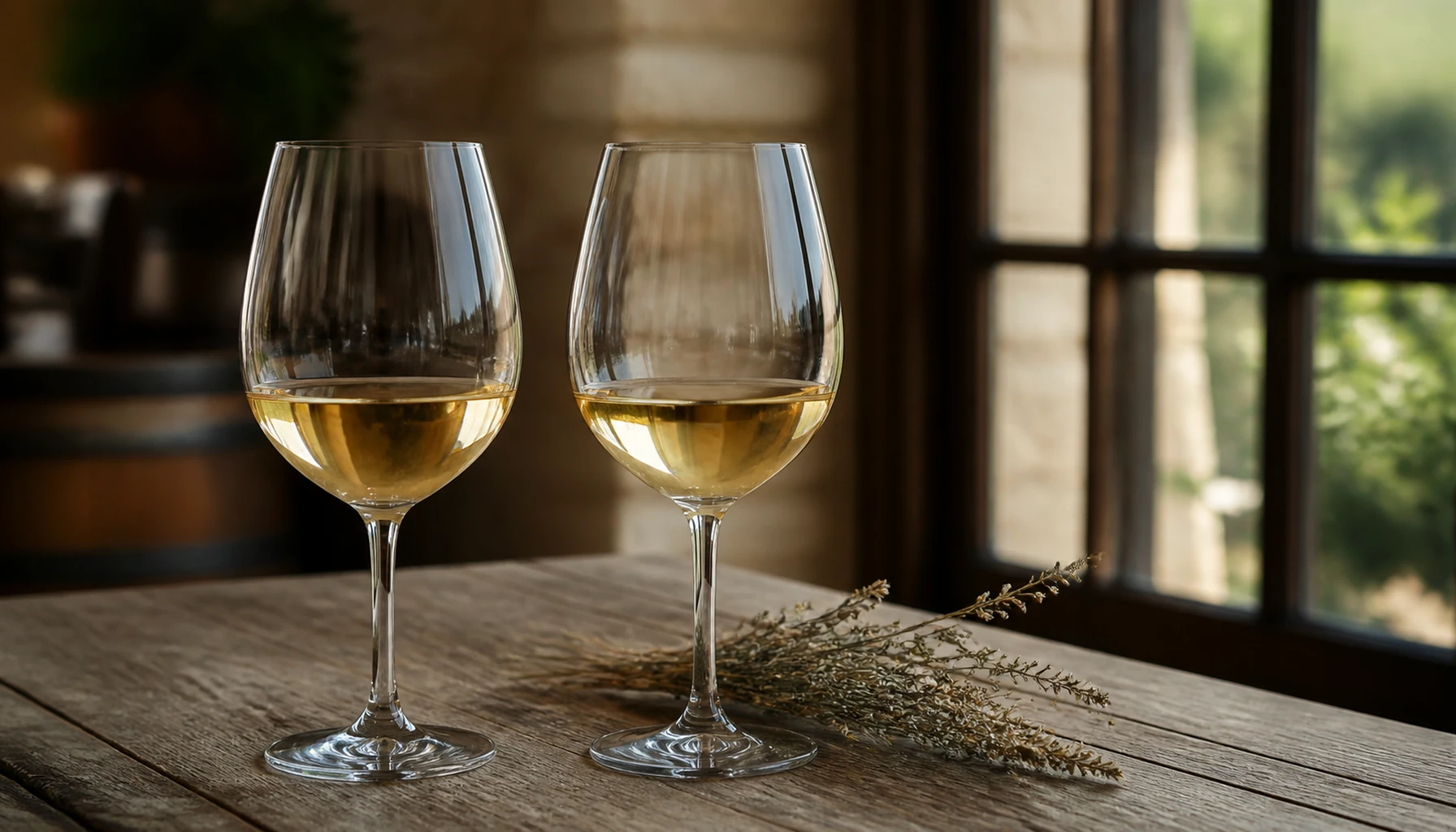
Texture first, fruit second
These are wines you judge with the weight of a sip, not a list of fruit — here is how.
If Viognier is the valley’s aromatic show-off, this pair is its quiet craftsman. Neither grape leaps out of the bowl at you; both reward the second sip more than the first sniff. So taste them the way the Rhône does: hold a sip a moment and feel where it sits on the tongue, notice how broad it is, count how long the finish runs after you swallow. That — not a fruit inventory — is where these wines keep their argument. The gentle almond-bitter turn at the end of a Marsanne is a feature, not a flaw; it is what keeps all that flesh from going soft.
Time is the pair’s other trick. Poured young they are all freshness and blossom; with a few patient years, Marsanne famously drifts toward honey and roasted nuts, and well-built Roussanne deepens rather than fades. Nobody expects you to cellar a tasting pour — but if a bottle follows you home, it will not mind waiting.
| Marsanne brings | Weight and flesh — honeydew, beeswax, white blossom, and a faint almond bitterness that keeps the finish honest |
|---|---|
| Roussanne brings | The nerve — pear skin, herbal tea, and the mouth-watering line of acidity its partner forgot to pack |
| Together | Each covers the other’s gaps: a white with a red’s seriousness, built for the table more than the porch |
| Serve them | Cellar-cool, 45–50°F — texture is the point, and a hard chill hides it |
| At the table | Roast chicken, mushrooms, gratins, hard cheeses — the rare whites that walk confidently into red-wine territory |
Where to taste them
Not on every list — which is exactly why the standing advice is so short.
Unlike the flagship, this pair asks a little looking. On valley lists they stand just behind Viognier — a named Roussanne here, a Marsanne there, and both grapes moonlighting inside white blends all over — so the hunting ground is the Rhône-leaning houses. Miramonte, which has made Rhône varieties its whole argument and pours them on a hillside terrace into the evening, is the natural first door to try.
The standing advice on this site is simple: when a flight offers either name, say yes. These are the pours that separate a visitor working through the list from one finding the valley’s quieter corners — and if you loved the Viognier that opened your flight, this is the natural next stop on the same family tree. For everything around them, the white-wine guide holds the whole cast.
Featured videos
Rhône hands and patient tasters on Roussanne and Marsanne — texture, blends, and why the pair belongs together.
Centuries on one hill
The pair grew up together on the hill of Hermitage, under a chapel named for a crusader who came home and stopped fighting — and one of them found a second life on the far side of the world, where Australia now tends some of the oldest Marsanne vines anywhere. The long partnership deserves the full telling.